




- Website -







 Current Location:
NEWS INFORMATION
Yuyuan Steel Structure
A Complete Guide to Professional Steel Structure Fabrication for Industrial Projects
AUTHOR:yuyuan DATE:2026-03-10 13:42:08 HITS:119
In the realm of industrial construction, steel structure fabrication stands as a cornerstone of durability, efficiency, and versatility. From manufacturing plants and warehouses to power plants and industrial facilities, professional steel fabrication ensures structures that can withstand heavy loads, harsh environments, and the test of time. This comprehensive guide breaks down everything you need to know about professional steel structure fabrication for industrial projects—from core processes and key considerations to quality standards and best practices.
Why Professional Steel Structure Fabrication Matters for Industrial Projects
Industrial projects demand structures that are not only strong but also precise, cost-effective, and tailored to unique operational needs. Unlike generic building materials, steel offers unparalleled advantages that make it the preferred choice for industrial applications:
·Exceptional Durability: Steel is resistant to corrosion, fire, pests, and extreme weather conditions, reducing maintenance costs and extending the lifespan of industrial structures.
·High Load-Bearing Capacity: Industrial facilities often house heavy machinery, equipment, and materials—steel structures provide the strength to support these loads without compromising safety.
·Efficiency & Speed: Prefabricated steel components are manufactured off-site, reducing on-site construction time, minimizing delays, and lowering labor costs.
·Flexibility & Customization: Steel can be cut, welded, and shaped into complex designs, adapting to the unique layout and functional requirements of any industrial project.
·Sustainability: Steel is 90% recyclable, making it an eco-friendly choice that aligns with modern industrial sustainability goals.
The Professional Steel Structure Fabrication Process
Professional steel fabrication is a systematic process that requires precision, expertise, and adherence to strict standards. Below is a step-by-step breakdown of the core stages:
1. Design & Engineering
The first and most critical step is designing the steel structure to meet the specific needs of the industrial project. This involves collaborating with structural engineers to create detailed blueprints that account for load requirements, environmental factors, building codes, and operational needs. Advanced software (such as CAD and BIM) is used to model the structure, identify potential issues, and optimize the design for efficiency and safety.
2. Material Selection
Choosing the right steel grade is essential for ensuring the structure’s performance. Common steel grades used in industrial fabrication include A36 (mild steel), A572 (high-strength low-alloy steel), and A992 (structural steel for buildings). Factors like corrosion resistance (e.g., galvanized steel for outdoor or humid environments), strength, and cost are considered during material selection.
3. Cutting & Shaping
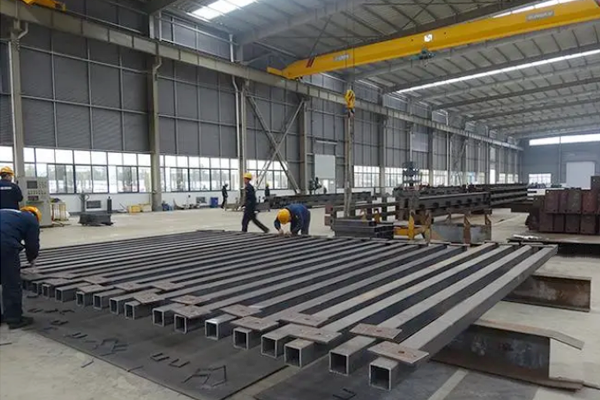
Once the design is finalized and materials are sourced, the steel is cut and shaped into the required components. Professional fabricators use advanced cutting techniques such as plasma cutting, oxy-fuel cutting, and laser cutting to ensure precision and clean edges. Shaping processes (e.g., bending, rolling) are performed using specialized machinery to achieve the desired angles and curves.
4. Welding & Assembly
Welding is the process of joining steel components together to form the final structure. Professional welders use techniques like MIG (Metal Inert Gas), TIG (Tungsten Inert Gas), and stick welding, depending on the steel grade and application. After welding, components are assembled to ensure alignment and structural integrity, with strict quality checks at every stage.
5. Surface Treatment
To protect steel from corrosion and extend its lifespan, surface treatment is a key step. Common treatments include galvanization (coating with zinc), painting, and powder coating. The choice of treatment depends on the environment (e.g., coastal areas may require extra corrosion protection) and the project’s aesthetic requirements.
6. Quality Inspection & Testing
Professional steel fabrication requires rigorous quality control to ensure compliance with industry standards (e.g., AWS, AISC) and project specifications. Inspections include visual checks, non-destructive testing (NDT) such as ultrasonic testing and X-ray inspection, and load testing to verify structural strength. Only components that pass all tests are shipped to the construction site.
7. Delivery & On-Site Installation
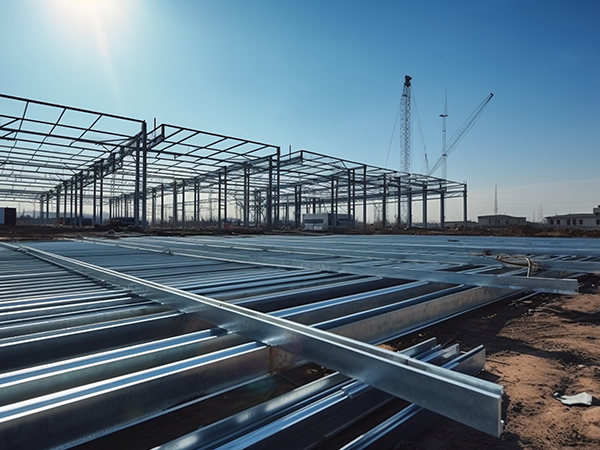
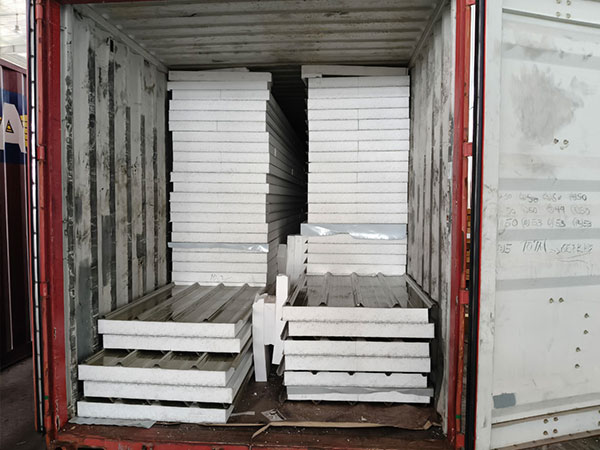
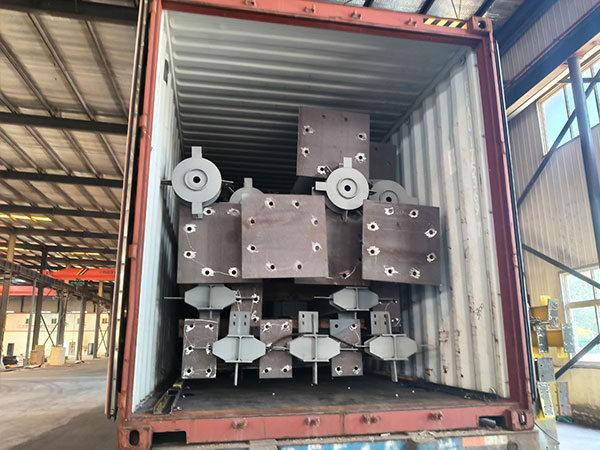
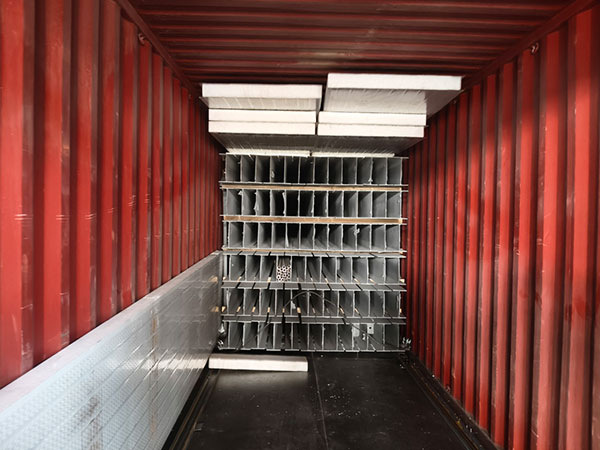
Once fabrication is complete, the steel components are carefully packaged and delivered to the construction site. Professional installers then assemble the structure on-site, following the design blueprints and ensuring proper alignment, anchoring, and connection. This stage requires coordination between fabricators, contractors, and engineers to ensure a smooth and efficient installation.
Key Considerations for Industrial Steel Structure Fabrication
When embarking on an industrial steel fabrication project, there are several critical factors to keep in mind to ensure success:
Compliance with Industry Standards
Industrial steel structures must adhere to strict industry standards and building codes (e.g., AISC 360 for structural steel, AWS D1.1 for welding). Non-compliance can lead to safety hazards, project delays, and legal issues. Always work with a fabricator that has a proven track record of meeting these standards.
Project Scope & Budget
Clearly define the project scope, including load requirements, size, and timeline, to avoid cost overruns and delays. A professional fabricator will work with you to optimize the design for cost-effectiveness without compromising quality.
Environmental Factors
Industrial facilities may be exposed to harsh environments (e.g., high temperatures, humidity, chemicals). Choose materials and surface treatments that can withstand these conditions to ensure the structure’s longevity.
Collaboration & Communication
Effective collaboration between the fabricator, engineer, contractor, and project owner is essential. Regular communication ensures that any issues are addressed promptly, and the project stays on track.
Choosing the Right Professional Steel Fabricator
The success of your industrial steel structure project depends on partnering with the right fabricator. Here are key qualities to look for:
·Experience & Expertise: Look for a fabricator with extensive experience in industrial projects, particularly in your industry (e.g., manufacturing, energy, logistics).
·Quality Certifications: Ensure the fabricator holds relevant certifications (e.g., AWS, ISO 9001) to demonstrate their commitment to quality.
·Advanced Equipment & Technology: A professional fabricator should have state-of-the-art machinery and software to ensure precision and efficiency.
·Customer Service: Choose a fabricator that offers transparent communication, timely updates, and responsive support throughout the project.
·Track Record: Ask for references and case studies of past industrial projects to verify their capabilities and reputation.
Conclusion
Professional steel structure fabrication is a complex but essential process for industrial projects, delivering structures that are strong, durable, and tailored to your operational needs. By understanding the fabrication process, key considerations, and how to choose the right fabricator, you can ensure your project is completed on time, within budget, and to the highest quality standards. Whether you’re building a new industrial facility, expanding an existing one, or upgrading your structure, partnering with a professional steel fabricator is the first step toward a successful project. With the right expertise and approach, your steel structure will serve your industrial operations for decades to come.
Ready to start your industrial steel structure fabrication project? Contact our team of professional fabricators today for a custom quote and expert guidance tailored to your needs.
References
GB/T 7714:Steel Design Manual. Tongji University Press. (Available on Google Scholar)
MLA:Steel Structure Fabrication Examples and Process Specification Compilation. Shanghai Science and Technology Press
APA: AISC 360-10: Specification for Structural Steel Buildings. American Institute of Steel Construction
-
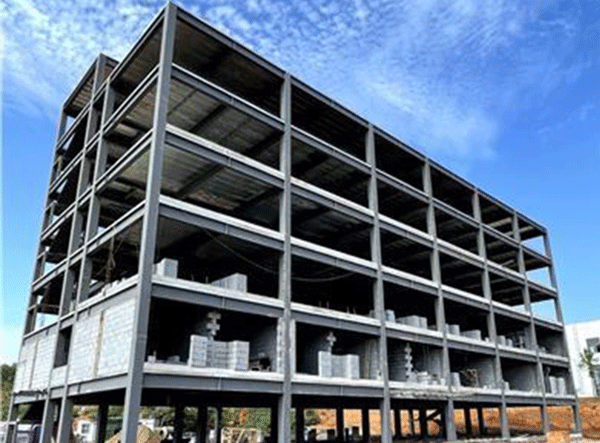
Fast Assembled Multi-Story Steel Structure Workshop Factory For Industrial Use
-
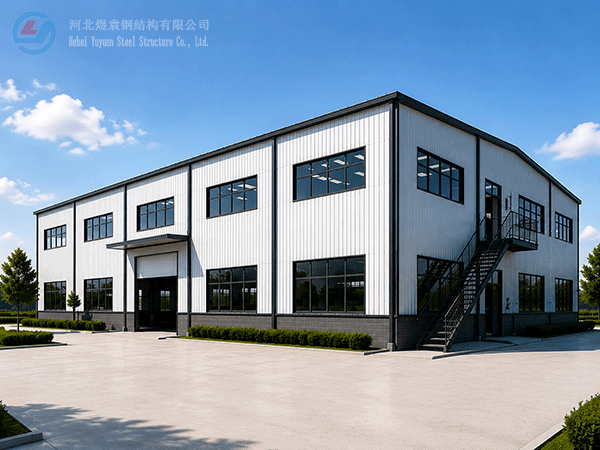
Modern Two-Storey Prefabricated Steel Structure Workshop Building Industrial Shed Construction
-
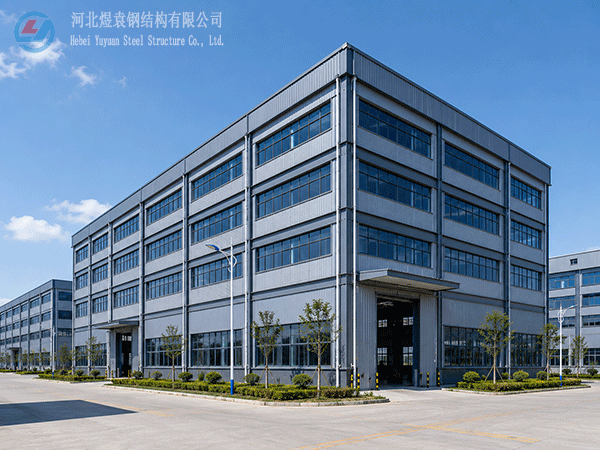
Yuyuan export Steel Structure Warehouse Prefab Steel Structure Warehouse for storage
-
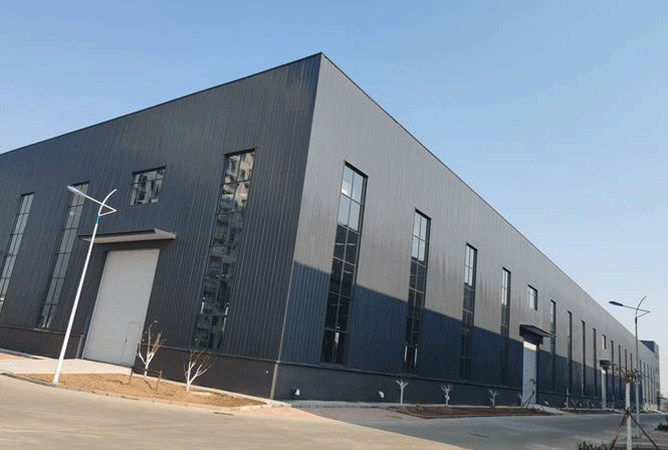
Export steel structure workshops Prefabricated steel structure workshops Light steel structure war
-
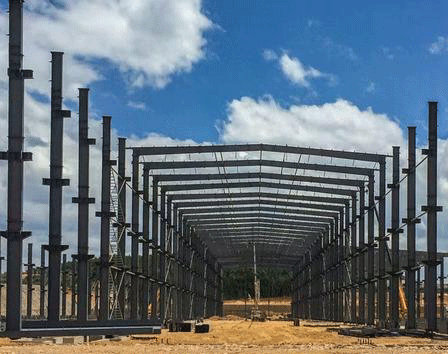
High Quality Low Cost Prefabricated Steel Structure Industrial Warehouse Shed
-
Xiao Sheng - Maldives
-
Xiao Sheng - Maldives
-
Xiao Sheng - Maldives
Hebei Yuyuan Steel Structure Co., Ltd.
Copyright © 2024-2025 https://www.yysteelwarehouse.com. All Rights Reserved Hebei Yuyuan Steel Structure Co., Ltd. All Rights Reserved.